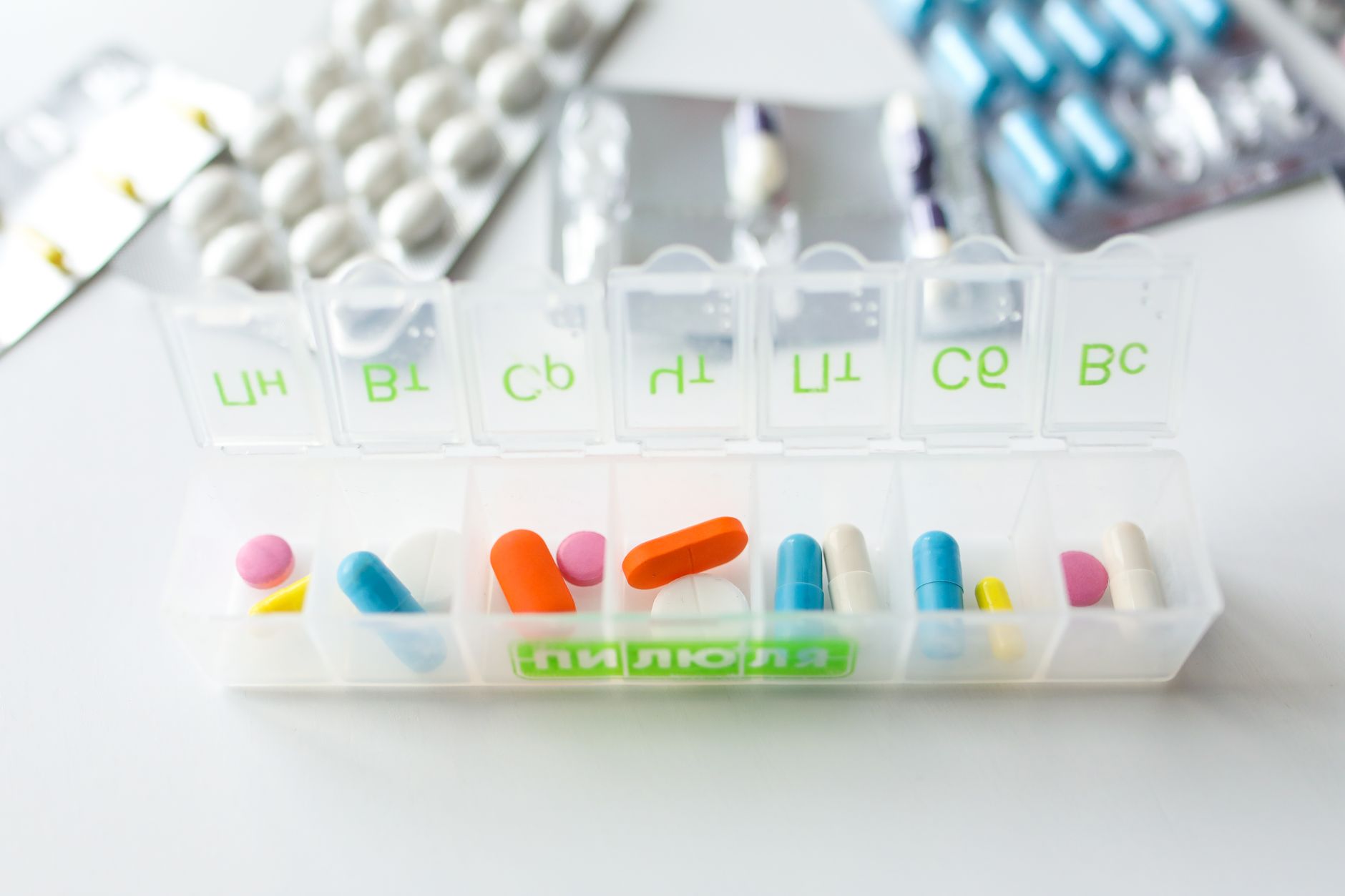

trade margins on anti-cancer drugs have been capped at 30%, which could result in significant price reductions for patients. This move aims to make essential medications more affordable.
Overview of New Regulations
The recent announcement by the government concerning trade margins on anti-cancer drugs aims to make life-saving medications more accessible to patients. In a significant move, trade margins have been capped at 30% for a total of 137 anti-cancer drugs. This regulation is expected to lead to a considerable reduction in medication prices, potentially falling by as much as 70%.
This decision comes in response to rising public concern over the affordability of essential cancer treatments. Many patients have faced financial hardship due to soaring costs, which have often exceeded reasonable limits. The new regulations are designed to strike a balance between ensuring fair compensation for manufacturers and distributors while also prioritizing patient access.
Key aspects of the new regulations include:
- Maximum Trade Margin: Set at 30% to prevent excessive pricing.
- Comprehensive List: 137 specific anti-cancer drugs included in the cap.
- Expected Outcomes: Significant price drops that could alleviate financial burdens on patients.
As stakeholders prepare for the implementation of these regulations, the potential for reduced trade margins on anti-cancer drugs may herald a new era of affordability in cancer care.
Impact on Drug Prices
The recent government decision to cap trade margins on anti-cancer drugs has sent ripples through the pharmaceutical industry. By limiting these margins to a maximum of 30%, the anticipated outcome is a significant drop in drug prices, potentially reaching as high as 70% for certain medications.
This move is expected to alleviate the financial burden on patients who require life-saving treatments. Many families struggle to afford anti-cancer drugs, and the new pricing regulations aim to make these essential medications more accessible.
Experts highlight that the cap on trade margins will not only benefit patients but may also lead to increased competition among manufacturers. As companies adjust to the new regulations, they may find innovative ways to reduce production costs while maintaining quality. The focus on trade margins on anti-cancer drugs could encourage the introduction of generics, further driving down prices.
However, some industry stakeholders express concerns about the potential impact on pharmaceutical companies’ profit margins. They argue that while the intent is noble, the implications for research and development could be significant if companies struggle to recoup their investments.
Overall, the regulation is a bold step towards making cancer treatment more affordable, but its long-term effects on the industry remain to be seen.
Government’s Rationale Behind Capping Margins
The recent decision by the government to cap trade margins on anti-cancer drugs is rooted in a desire to enhance affordability and accessibility for patients. The rationale behind this move is multifaceted and aims to address both economic and health concerns.
Firstly, by limiting trade margins to 30%, the government seeks to mitigate the inflated prices that often burden cancer patients. This regulation is expected to lead to significant price reductions, with estimates suggesting that prices may fall by up to 70% for certain medications.
Secondly, the government aims to promote a more competitive market environment. By standardizing profit margins for manufacturers, wholesalers, and retailers, the regulation intends to ensure that no single entity can exploit the patients’ vulnerabilities for excessive profit. This is particularly crucial in the context of life-saving drugs where high costs can lead to treatment delays.
Moreover, the government believes that capping trade margins on anti-cancer drugs will encourage pharmaceutical companies to innovate and invest in new treatments, knowing that their products will be more accessible to a larger population. Overall, this regulation is seen as a proactive step towards balancing the pharmaceutical industry’s profitability with the urgent need for affordable cancer care.
Potential Benefits for Patients
The recent changes in trade margins on anti-cancer drugs are poised to deliver significant benefits for patients across the country. By capping trade margins at 30% on 137 crucial medications, the government aims to ensure that these life-saving drugs become more accessible and affordable for those in need.
One of the most notable outcomes of this regulation is the anticipated price drop of up to 70% on certain anti-cancer drugs. This substantial reduction could alleviate the financial burden many patients face while undergoing treatment. With the rising costs associated with cancer care, these lower prices offer a glimmer of hope for individuals and families impacted by this disease.
Furthermore, the cap on trade margins is expected to foster greater competition among pharmaceutical manufacturers and distributors. As prices decline, patients may have more options for their treatment, leading to improved health outcomes. Such changes could also encourage earlier diagnosis and treatment, as the affordability of medications becomes less of an obstacle.
In conclusion, the adjustments to trade margins on anti-cancer drugs are a step towards ensuring that patients receive essential care without excessive financial strain, ultimately contributing to better health equity in the healthcare system.
Reactions from Pharmaceutical Companies
Pharmaceutical companies are responding to the recent government decision to cap trade margins on anti-cancer drugs. Many industry leaders express concern over the potential implications for their profit margins and overall business sustainability. As prices on these vital medications may drop by as much as 70%, companies are reassessing their pricing strategies.
Several major firms have issued statements regarding the new regulations:
- Company A highlighted that while the move could enhance affordability for patients, it might compromise investments in research and development of future oncology treatments.
- Company B expressed that the capped trade margins on anti-cancer drugs could lead to shortages, as manufacturers may find it less financially viable to produce certain medications.
- Company C welcomed the decision, stating that it aligns with their commitment to making cancer treatments more accessible, though they remain cautious about the long-term effects on the industry.
Overall, reactions from the pharmaceutical sector illustrate a divide between the pursuit of affordable healthcare and the economic realities that companies face in a highly regulated market.
Future of Anti-Cancer Drug Pricing
The future of anti-cancer drug pricing appears to be shifting as new regulations come into play, particularly with the recent decision to cap trade margins on anti-cancer drugs at 30%. This significant change is poised to lead to a substantial reduction in prices, potentially dropping them by as much as 70% for patients in need of these critical medications.
As the government aims to make treatment more accessible, the impact of these regulations will be closely monitored. The capping of trade margins on anti-cancer drugs could lead to a more competitive market, encouraging manufacturers to adjust their pricing strategies in response to the new limits. This transition may also push pharmaceutical companies to innovate and find cost-effective solutions to maintain profitability while adhering to the new guidelines.
Moreover, this move is expected to foster a more transparent pricing structure within the industry. With clearer trade margins, patients and healthcare providers will likely have a better understanding of the costs associated with anti-cancer drugs, leading to informed choices in treatment options.
In conclusion, the capped trade margins on anti-cancer drugs signify a pivotal moment in the pharmaceutical landscape, promising better affordability and accessibility for those battling cancer.
Photo by Bastian Riccardi on Pexels