
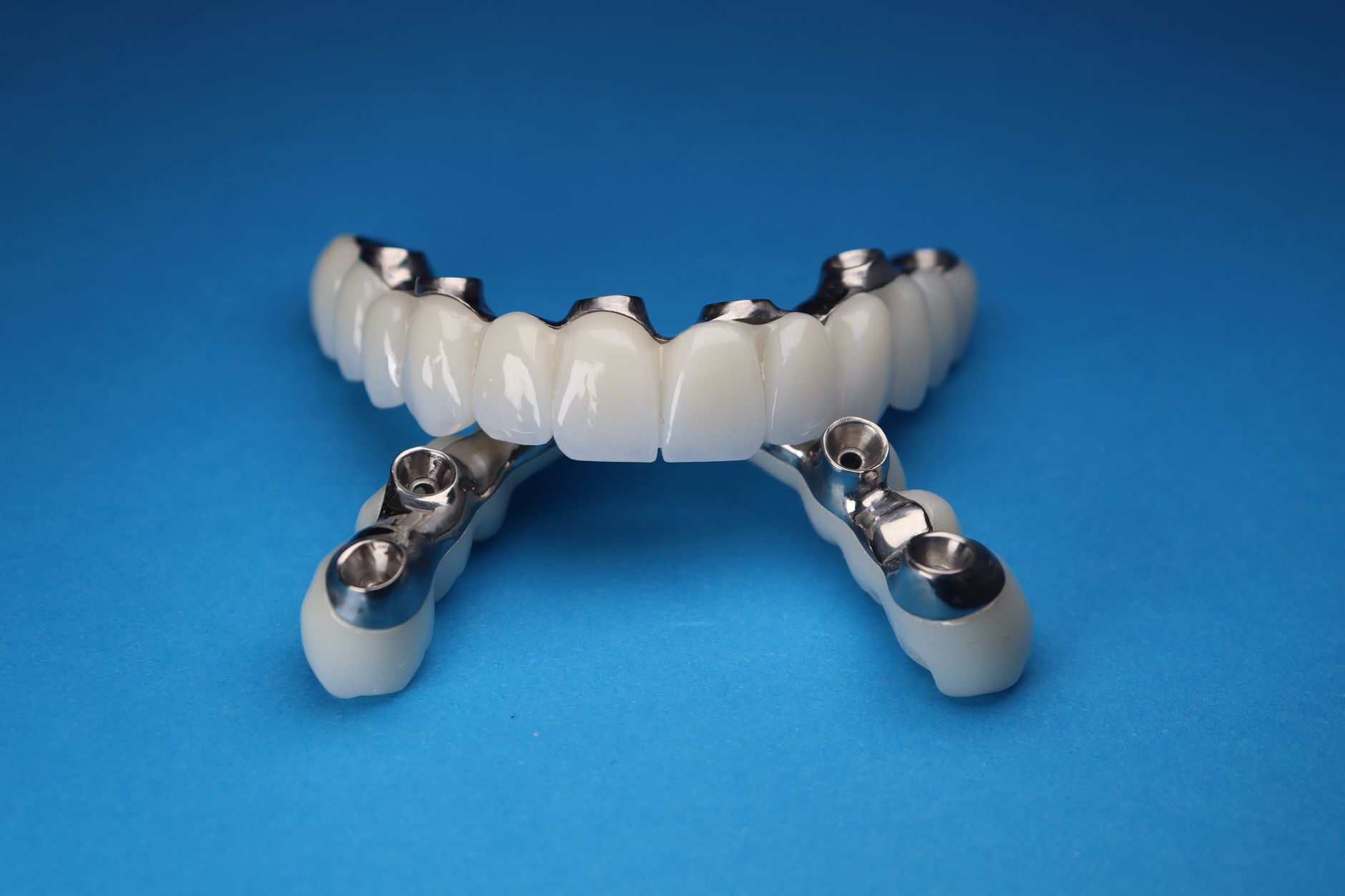
knee implants price cap has been extended by the NPPA for another two months, ensuring that patients continue to have access to affordable healthcare options.
What is the NPPA’s role in price regulation?
The National Pharmaceutical Pricing Authority (NPPA) plays a crucial role in regulating the prices of essential medical devices, including knee implants. With the recent decision to extend the knee implants price cap for an additional two months, the NPPA aims to ensure that these vital products remain affordable for patients in need.
The NPPA’s primary responsibilities include:
- Monitoring and controlling the prices of pharmaceutical and medical devices.
- Implementing price controls to prevent exorbitant charges that can burden patients.
- Ensuring that manufacturers comply with established price caps, promoting transparency in pricing.
This extension reflects the NPPA’s commitment to balancing the interests of healthcare providers, manufacturers, and patients. By keeping the price of knee implants in check, the NPPA helps make orthopedic surgery more accessible, ultimately leading to better health outcomes for individuals suffering from knee ailments. As discussions continue, stakeholders are hopeful for further measures that can enhance affordability in the future.
Impact of the price cap on patients
The recent extension of the knee implants price cap by the NPPA is expected to have a significant impact on patients seeking affordable healthcare solutions. With the rising costs of medical procedures, many individuals have found it increasingly difficult to access necessary treatments without facing financial strain.
By capping the prices of knee implants, the NPPA aims to ensure that patients can receive quality care without being burdened by exorbitant costs. This price cap has proven crucial for:
- Improved accessibility: More patients can afford knee replacement surgeries, leading to better overall health outcomes.
- Reduced financial stress: Patients are less likely to postpone surgeries due to cost concerns, which can prevent further complications.
- Increased awareness: The ongoing discussion around the knee implants price cap has raised public awareness regarding the importance of price regulation in healthcare.
As the price cap continues to be enforced, it is anticipated that many patients will benefit from increased access to essential medical interventions.
Timeline of knee implants price cap extensions
The recent extension of the knee implants price cap by the National Pharmaceutical Pricing Authority (NPPA) has been significant for patients seeking affordable healthcare solutions. Below is a timeline highlighting key moments in this ongoing initiative:
- April 2022: The NPPA initially imposed a price cap on knee implants to combat rising healthcare costs.
- August 2022: A review of the price cap indicated a positive impact on patient affordability, leading to discussions on extending the policy.
- October 2022: The first extension was announced, allowing the price cap to remain in effect for an additional three months.
- January 2023: Further reviews prompted another extension, reflecting the ongoing need for affordable knee implants.
- March 2023: The NPPA confirmed a two-month extension on the price cap, ensuring that patients can continue to access necessary treatments without financial strain.
This recent decision reinforces the commitment to making knee implants more affordable for all.
Reactions from healthcare professionals
Healthcare professionals have expressed a mix of relief and concern regarding the recent extension of the knee implants price cap. Many surgeons believe that the price cap will enhance accessibility for patients in need of joint replacements, allowing more individuals to receive the necessary care without financial strain. Dr. Sarah Thompson, an orthopedic surgeon, stated, “This price cap is a significant step towards making knee implants more affordable for our patients, especially those from lower-income backgrounds.”
However, some healthcare providers worry that the price cap may impact the quality of implants available. Dr. James Carter, a leading orthopedic specialist, commented, “While affordability is crucial, we must ensure that cost-cutting does not compromise the safety and effectiveness of the implants used in procedures.”
Overall, the reactions from healthcare professionals reflect a strong desire for balance between affordability and quality, as the knee implants price cap continues to play a vital role in patient care.
Future implications for the pharma industry
The recent extension of the knee implants price cap by the NPPA has significant implications for the pharmaceutical industry. As the price cap aims to enhance affordability for patients, it also places pressure on manufacturers to innovate while maintaining cost-effectiveness.
With the continued regulation of knee implants prices, companies may need to reassess their pricing strategies and production processes. This could lead to:
- Increased competition: Firms may innovate to offer better products at lower prices, driving overall improvements in quality.
- Focus on research and development: Companies might invest more in R&D to create advanced knee implant technologies that remain profitable under the price cap.
- Market consolidation: Smaller companies may struggle to compete, potentially leading to mergers and acquisitions in the industry.
Overall, the knee implants price cap is likely to reshape the competitive landscape of the pharma sector, pushing for a balance between affordability and innovation.
Photo by Zeynep Kahraman on Pexels