Recovery after surgery can be far more challenging for older adults than younger patients. Even after hospital discharge, many seniors continue to experience weakness, reduced mobility, breathing difficulties, confusion, and dependency on caregivers.
In India, rising surgeries among elderly patients and shorter hospital stays are increasing the need for structured post operative care after discharge.
Professional post operative rehabilitation helps older adults recover more safely through medical supervision, physiotherapy, nutritional support, respiratory care, and assisted recovery programs designed to reduce complications and improve independence.
Recovery Is More Difficult for Older Adults
The body’s ability to heal naturally slows down with age. Older adults generally have lower muscle strength, weaker immunity, slower healing capacity, and reduced physical endurance compared to younger individuals.
Many seniors also live with chronic health conditions such as diabetes, hypertension, heart disease, arthritis, or respiratory disorders. These conditions can complicate recovery after surgery and increase the need for continuous supervision.
Even after a successful surgery, elderly patients may struggle with walking, standing, balancing, eating properly, or managing medications independently.
This is one of the main reasons why recovery support for older adults requires a much more structured and medically supervised approach.
Hospital Discharge Does Not Mean the Patient Has Fully Recovered
One of the biggest misconceptions families have is that a patient is completely stable once they are discharged from the hospital.
In reality, hospitals usually discharge patients once they are medically stable enough to continue recovery outside acute care settings. However, many elderly patients still require support with mobility, rehabilitation, wound care, nutrition, medication management, and respiratory monitoring after discharge.
This gap between hospital discharge and complete recovery is often where complications begin.
Without proper post operative care, older adults may develop infections, muscle weakness, falls, breathing complications, bed sores, or severe dependency issues that can delay recovery significantly.
Structured recovery support helps bridge this critical transition phase more safely.
Muscle Weakness Becomes a Major Recovery Challenge
One of the biggest recovery challenges older adults face after surgery is sudden muscle weakness. Even a few days of bed rest can reduce strength, balance, stamina, and mobility significantly.
Simple activities such as standing, walking to the washroom, climbing stairs, or getting out of bed may become difficult during recovery.
Without proper rehabilitation, prolonged inactivity can further slow recovery and increase dependency. This is why early post operative rehabilitation is extremely important.
Structured rehabilitation programs help seniors gradually rebuild strength through supervised physiotherapy, mobility training, balance exercises, and assisted walking support.
Fall Risk Increases Significantly After Surgery
Falls remain one of the biggest risks for elderly patients recovering after surgery.
Weakness, dizziness, medications, stiffness, confusion, and poor balance can make even short movements unsafe during recovery. A single fall can result in fractures, head injuries, prolonged hospitalisation, or delayed recovery.
Most homes are not designed for safe elderly recovery, especially during the first few weeks after surgery.
Professional recovery-focused care environments reduce these risks through senior-friendly infrastructure, assisted mobility support, and continuous supervision.
Confusion and Delirium Are Common in Elderly Recovery
Many older adults experience temporary confusion or delirium after surgery, especially after ICU stays, cardiac surgery, neurological procedures, or prolonged hospitalisation.
Patients may experience memory problems, anxiety, reduced alertness, agitation, or sleep disturbances during recovery. These symptoms can increase fall risk, medication errors, and delayed rehabilitation participation.
Structured post operative care environments provide continuous monitoring and supervised recovery support that help improve patient safety during this vulnerable phase.
Nutrition Plays a Bigger Role Than Most Families Realise
Recovery after surgery increases the body’s nutritional demands, especially among older adults.
Poor appetite, dehydration, reduced food intake, or swallowing difficulties can slow healing and affect muscle rebuilding, immunity, and energy levels.
Professional recovery programs usually include personalised nutritional planning based on the patient’s medical condition and recovery needs.
This becomes especially important during cardiac rehabilitation and prolonged post operative rehabilitation.
Respiratory Complications Can Become Serious Quickly
Breathing complications are common among elderly patients recovering after surgery, particularly after cardiac procedures, ICU stays, or lung-related illnesses.
Some patients may continue to experience shortness of breath, fatigue, low oxygen levels, or chest congestion after discharge.
In such cases, oxygen support, chest physiotherapy, breathing exercises, and pulmonary rehabilitation may be required for several weeks.
Professional supervision becomes important because respiratory complications can worsen quickly without proper monitoring and support.
Dependency on Family Caregivers Increases Rapidly
After surgery, many older adults require assistance with walking, bathing, medications, feeding, and daily activities. Families often try to manage recovery at home, but continuous caregiving can quickly become physically and emotionally exhausting.
Managing mobility support, rehabilitation exercises, respiratory equipment, and emergency situations requires constant attention and trained supervision.
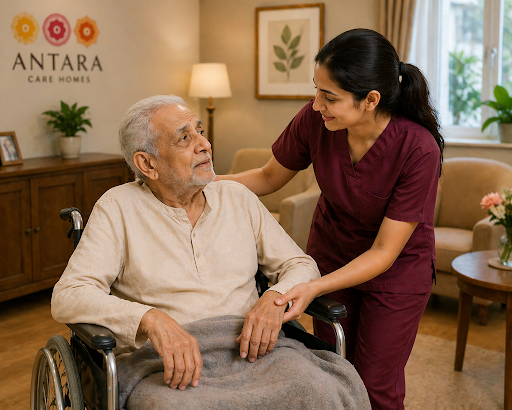
This is where professional recovery support and respite care become valuable. Structured care environments allow trained teams to manage clinical and rehabilitation needs while families focus on emotional support and reassurance.
Why Structured Post Operative Rehabilitation Matters
Recovery after surgery requires coordinated support from doctors, nurses, physiotherapists, nutritionists, and rehabilitation experts.
Organised post operative rehabilitation environments provide medically supervised recovery under one roof, including continuous monitoring, daily rehabilitation, medication supervision, assisted mobility, and emergency support systems.
Compared to fragmented home recovery arrangements or smaller standalone setups, organised recovery ecosystems are often better equipped to manage medically complex elderly recoveries safely and consistently.
Insurance Support Is Becoming Increasingly Important
Recovery after surgery often involves ongoing expenses such as physiotherapy, nursing care, rehabilitation, and oxygen support beyond hospitalisation.
Today, many organised recovery providers support TPA coordination and insurance assistance for eligible post operative care and rehabilitation programs. Some also offer claim documentation support, cashless facilities in selected cases, and flexible payment options including No Cost EMI plans.
This helps families continue recovery with reduced financial stress and better continuity of care.
India Needs Stronger Elderly Recovery Ecosystems
India’s ageing population and shorter hospital stays are increasing the need for structured elderly recovery support.
At the same time, nuclear families and demanding lifestyles are making home-based recovery more difficult to manage safely.
This has increased the importance of organised recovery-focused care homes that bridge the gap between hospital and home through clinically supervised post operative rehabilitation, cardiac rehabilitation, pulmonary rehabilitation, paralysis treatment recovery, and assisted senior care support.
Structured Recovery Can Improve Quality of Life
Older adults recover differently from younger patients. Their recovery journey requires patience, supervision, rehabilitation, nutrition management, emotional reassurance, and continuous monitoring.
Without proper post operative care, small recovery challenges can quickly affect mobility, independence, confidence, and long-term quality of life.
Professional recovery environments help seniors recover more safely while reducing complications, improving mobility, and supporting dignity during one of the most vulnerable phases of healing.
As India’s healthcare ecosystem evolves, structured post operative rehabilitation is becoming not just an option — but an essential part of safer recovery for older adults after surgery.
FAQs
1. Why do older adults need structured post operative care?
Older adults recover more slowly after surgery and may experience weakness, falls, breathing difficulties, confusion, and dependency, requiring continuous supervision and rehabilitation support.
2. What is post operative rehabilitation?
Post operative rehabilitation includes physiotherapy, mobility support, respiratory care, nutritional management, and medical supervision after surgery to improve recovery outcomes.
3. What is pulmonary rehabilitation after surgery?
Pulmonary rehabilitation includes breathing exercises, chest physiotherapy, oxygen support, and respiratory therapies designed to improve lung recovery after surgery.
4. Can insurance support post operative care?
Many organised recovery providers now support TPA coordination and insurance assistance for eligible post operative rehabilitation and recovery programs.
5. What is respite care during recovery?
Respite care provides temporary professional support for seniors recovering after surgery while reducing physical and emotional stress on family caregivers.